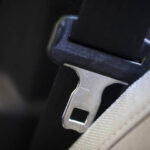
DETROIT — Starting in September of 2027, all new passenger vehicles in the U.S. will have to sound a warning if rear-seat passengers don’t buckle up.
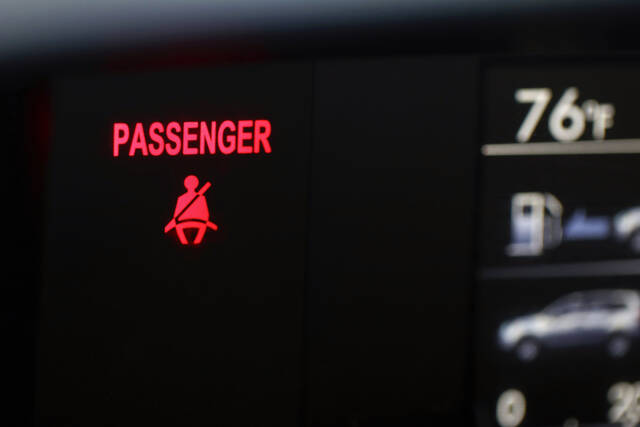
The National Highway Traffic Safety Administration said Monday that it finalized the rule, which also requires enhanced warnings when front seat belts aren’t fastened.
The agency estimates that the new rule will save 50 lives per year and prevent 500 injuries when fully in effect, according to a statement.
The new rule will apply to passenger cars, trucks, buses except for school buses, and multipurpose vehicles weighing up to 10,000 pounds.
Before the rule, seat belt warnings were required only for the driver’s seat. Under the new rule, outboard front-seat passengers also must get a warning if they don’t fasten their belts. Front-center seats will not get a warning because NHTSA found that it wouldn’t be cost effective. The agency said most vehicles already have warnings for the outboard passenger seats.
The rule also lengthens the duration of audio and visual warnings for the driver’s seat. The front-seat rules are effective starting Sept. 1 of 2026.
Rear passengers consistently use seat belts at a lower rate than front passengers, the agency says. In 2022, front belt use was just under 92%, while rear use dropped to about 82%. About half of automobile passengers who died in crashes two years ago weren’t wearing belts, according to NHTSA data.
The seat belt rule is the second significant regulation to come from NHTSA in the past two months. In November the agency bolstered its five-star auto safety ratings to include driver assistance technologies and pedestrian protection.
Safety advocates want the Department of Transportation, which includes NHTSA, to finish several more rules before the end of the Biden administration, because President-elect Donald Trump has said he’s against new government regulations.
Cathy Chase, president of Advocates for Highway and Auto Safety, urged the department to approve automatic emergency braking for heavy trucks and technology to prevent impaired driving.