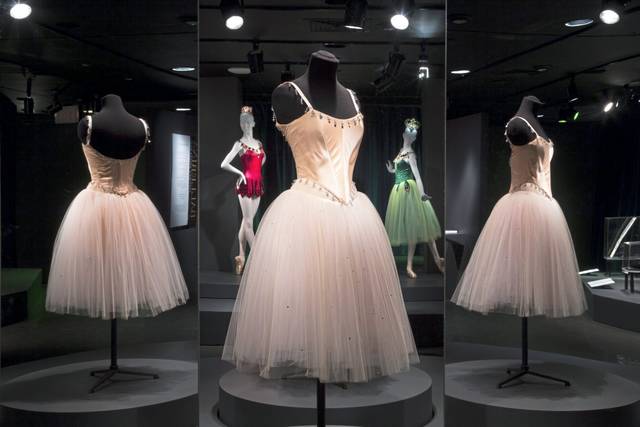
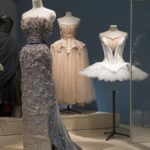
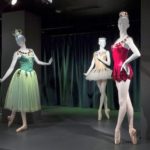
A crowning jewel of the new exhibit at the Fashion Institute of Technology in New York City is a feathered white tutu.
It may look, to the untrained eye, like any ballet costume. It is, however, anything but.
Worn by the iconic Russian ballerina Anna Pavlova in her most famous role, the Dying Swan, the tutu contains 1,537 feathers. Curators at the Museum at FIT know this because the feathers had to be counted to get the tutu through the permit process to arrive in the United States, from Britain.
At FIT, the tutu resides in its own alarmed case with 37 screws keeping it safe and secure.
The Feb. 11 launch of “Ballerina: Fashion’s Modern Muse” was timed to coincide with New York Fashion Week, taking advantage of all the editors in town. But the connection is more than logistical: The exhibit argues that ballet has had a major influence on fashion both high-end and casual, starting in the early 20th century and up to the present time.
Costume to couture
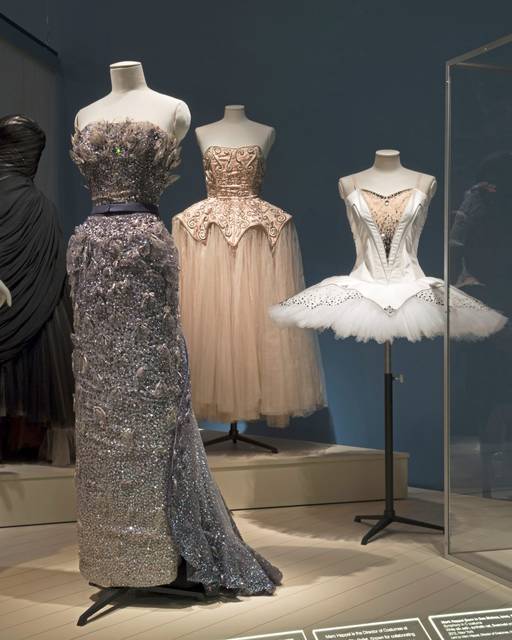
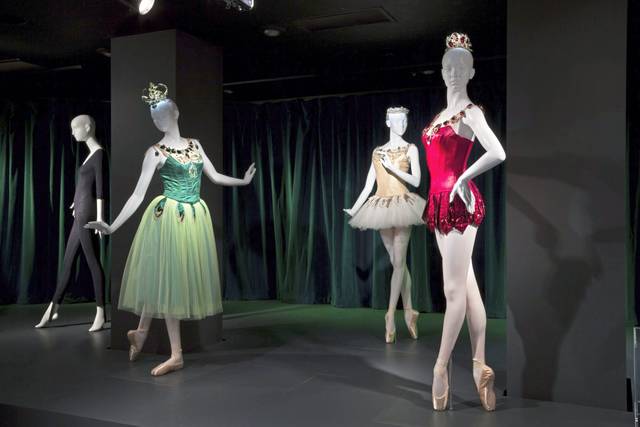
The exhibit features 90 items, including ballet costumes, couture gowns and athletic wear, or what we today call “athleisure.” Ballgowns or party dresses from top labels like Dior, Chanel and Lanvin are displayed along with the ballet costumes that inspired them.
To Patricia Mears, curator of the exhibit and deputy director of the Museum at FIT, ballet’s influence is “everywhere.”
“So (if) you’re looking at a formal gown made out of silk tulle that is covered with spangles and has a satin bodice, immediately you think of a ballerina’s tutu,” Mears says. “If you look at the flat ballet slipper, millions of women wear that kind of shoe today. And then the leotard, the leggings … all these things have found their way into fashion. It’s ubiquitous.”
And fashion has played a role in the phenomenon, argues Mears: “The collaboration between high-end designers and ballet companies has been a really important force in making this change as well.”
Famous tutus
The most obvious example: New York City Ballet, which has contributed nine costumes to the exhibit, including the late costume designer Karinska’s famous tutus from “Jewels” by George Balanchine, and a 2012 costume for “Symphony in C” by current NYCB costume director Marc Happel. The company’s annual fall fashion gala brings in noted designers to create costumes for new ballets every year.
In one section, the exhibit departs from the European high fashion elements — the Lanvin, the Chanel, the Dior fashions inspired by ballet — to look at a particularly American phenomenon of the 20th century: active wear.
The exhibit runs through April 18.